

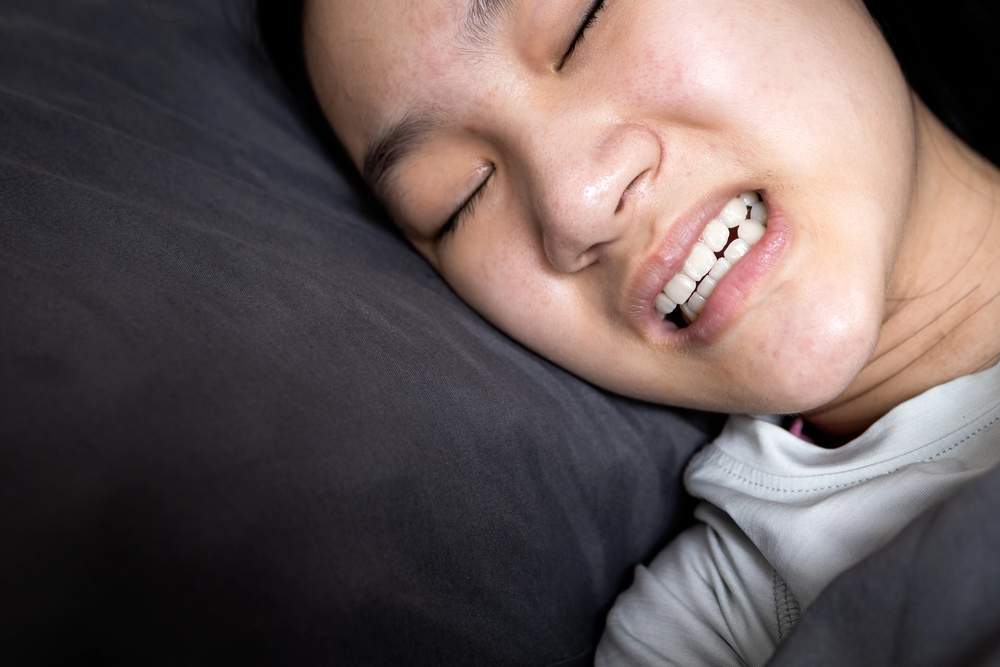
Do you wake up with a sore jaw, dull headache, or sensitive teeth? Has your partner told you that you grind your teeth while you sleep? These symptoms may point to bruxism, commonly known as teeth grinding. While occasional grinding may not cause lasting damage, chronic bruxism can wear down teeth, strain the jaw joints, and contribute to ongoing facial pain.
At the office of Dr. Timothy E. Mickiewicz in Sacramento, CA, we help patients identify the underlying causes of teeth grinding and provide customized treatment designed to protect both the teeth and the temporomandibular joints (TMJs). If you’re experiencing symptoms of bruxism, call (916) 469-9178 to schedule a comprehensive evaluation.
What Is Bruxism?
Bruxism is the involuntary clenching, grinding, or gnashing of the teeth. It can occur during the day while you’re awake or during sleep without you realizing it.
Sleep bruxism is often more damaging because patients may generate significantly greater biting forces while unconscious. Over time, those repeated forces can affect nearly every part of the oral system, including the teeth, muscles, ligaments, and jaw joints.
Because many people don’t know they grind their teeth, dentists are often the first healthcare professionals to recognize the signs during a routine examination.
What Causes Teeth Grinding?
There isn’t one single cause of bruxism. Instead, it’s usually the result of several contributing factors.
Common causes include:
- Chronic stress or anxiety
- Sleep disorders, including obstructive sleep apnea
- Bite imbalances
- Certain medications
- Caffeine or alcohol consumption before bedtime
- Neurological conditions
- Lifestyle habits
For many patients, multiple factors occur simultaneously. That’s why identifying the underlying cause is one of the most important parts of successful treatment.
Signs You May Be Grinding Your Teeth
Bruxism doesn’t always produce obvious symptoms right away. Instead, damage often develops gradually over months or years.
Common warning signs include:
- Morning headaches
- Jaw soreness after waking
- Clicking or popping in the jaw
- Facial muscle fatigue
- Flattened or worn teeth
- Chipped or cracked teeth
- Tooth sensitivity
- Neck pain
- Ear pain without infection
- Indentations along the sides of the tongue
Many patients initially assume these symptoms are unrelated until a comprehensive examination reveals a pattern consistent with chronic grinding.
How Bruxism Affects the TMJ
Your temporomandibular joints are designed to function smoothly throughout the day. Constant clenching places excessive pressure on these joints and the surrounding muscles.
Over time, untreated bruxism may contribute to:
- Joint inflammation
- Muscle spasms
- Limited jaw opening
- Increased jaw clicking
- Chronic facial pain
- Difficulty chewing comfortably
Not everyone who grinds develops TMJ disorder, but ongoing grinding can significantly increase stress on the jaw.
Treatment Depends on the Cause
Because bruxism has multiple possible causes, treatment is highly individualized.
Depending on your diagnosis, Dr. Mickiewicz may recommend:
- A custom oral appliance to protect the teeth
- Bite analysis
- TMJ therapy
- Sleep apnea evaluation if appropriate
- Stress reduction strategies
- Jaw muscle exercises
- Lifestyle modifications
Unlike generic over-the-counter mouthguards, professionally designed appliances are customized to your bite and treatment goals.
Can Teeth Grinding Be Prevented?
While not every case can be completely prevented, healthy habits may help reduce episodes of grinding.
Helpful strategies include:
- Limiting caffeine late in the day
- Reducing alcohol before bedtime
- Practicing relaxation techniques
- Maintaining good sleep habits
- Avoiding chewing on pens or ice
- Seeking evaluation for persistent jaw discomfort
Early treatment often prevents small problems from becoming extensive dental damage.
Find Relief from Teeth Grinding in Sacramento, CA
Teeth grinding can affect far more than your smile. Left untreated, it may contribute to damaged teeth, jaw pain, chronic headaches, and TMJ dysfunction.
Dr. Timothy E. Mickiewicz has extensive experience diagnosing complex bite and TMJ conditions that contribute to bruxism. If you suspect you’re grinding your teeth, contact our Sacramento, CA office today at (916) 469-9178 to schedule a personalized evaluation and learn about treatment options that can protect your smile for years to come.