
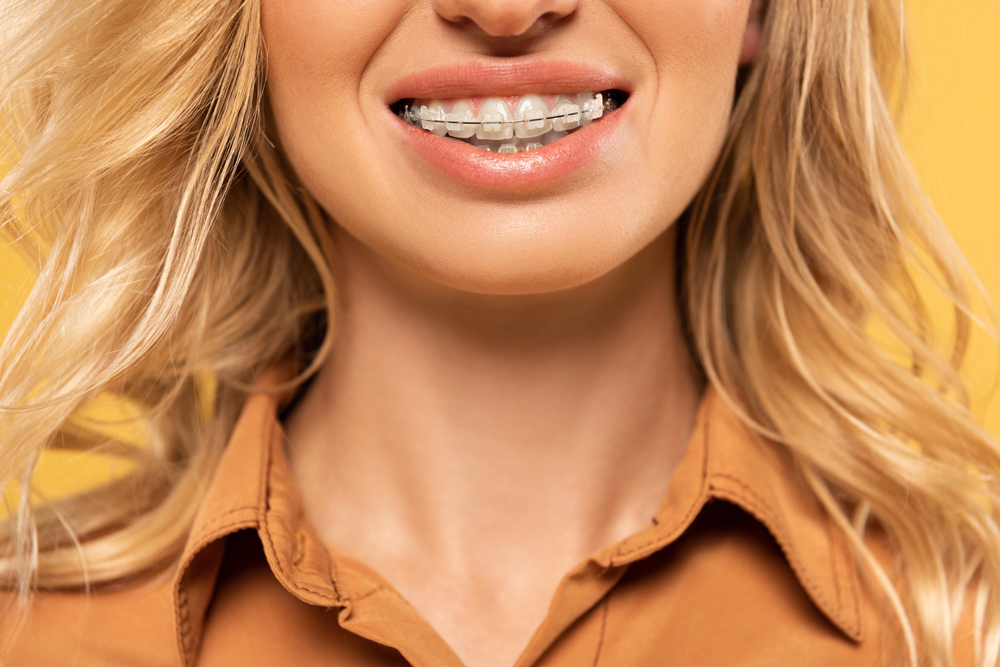
Considering braces after age 30 is more common than ever. Many adults who once believed they missed their chance are now exploring options to improve their smiles. If you are researching orthodontic treatment in Sacramento, CA, you may wonder whether age limits your results. The simple answer is no.
Adults can successfully straighten their teeth with traditional orthodontia, often achieving life-changing improvements in both appearance and function. Explore your candidacy and review your options with Timothy E. Mickiewicz, D.D.S. – call (916) 469-9178 to book a consultation today!
Why More Adults Are Choosing Braces
Orthodontic care is no longer limited to teenagers. In fact, professional orthodontic associations report that adults now make up a significant portion of orthodontic patients. Many adults did not have access to braces in childhood. Others experienced shifting teeth over time.
Common adult concerns include:
- Crowded or overlapping teeth
- Gaps between teeth
- Bite misalignment
- Relapse after previous treatment
- Jaw discomfort related to alignment
Braces offer a structured and reliable way to correct these concerns at almost any age.
Can Teeth Really Move After 30?
Yes, teeth can move at any age with proper guidance. The bone surrounding teeth undergoes a process called remodeling. When braces apply gentle, consistent pressure, the bone responds by breaking down in one area and rebuilding in another. This biological process allows controlled tooth movement.
While bone metabolism may be slightly slower than in adolescents, outcomes remain stable when treatment is well managed. This scientific evidence reassures adults that age does not prevent success.
How Orthodontics Improves Oral Health
Many adults pursue traditional orthodontics for cosmetic reasons. However, alignment also improves oral health.
Straight teeth are easier to clean. Crowded areas, however, trap plaque and bacteria. Over time, this buildup can increase the risk of cavities and gum disease. By correcting alignment with braces, patients often improve daily hygiene effectiveness.
Traditional orthodontia can also reduce uneven enamel wear. When teeth do not align properly, excessive force may concentrate on specific areas. Balanced alignment distributes pressure more evenly across the bite.
Common Concerns About Braces After 30
Here are some common concerns patients have when pursuing adult orthodontics:
Will Treatment Take Longer?
Adults often ask whether braces require more time after age 30. Treatment length varies by case complexity. On average, adults wear braces for 18 to 24 months. Mild cases may require less time. However, severe crowding or bite issues may require more.
Are Braces More Painful for Adults?
Braces may cause mild soreness after adjustments for patients of any age. This discomfort typically resolves within a few days. Adults often tolerate adjustments well and follow care instructions closely. Over-the-counter pain relief and soft foods can ease temporary discomfort.
Will Braces Look Unprofessional?
Many adults worry about professional appearance. Luckily, today’s options offer more discretion than ever. For example, ceramic brackets blend with tooth color, lingual braces attach behind the teeth, and clear aligners provide an alternative for some patients.
But remember this: Your health and well-being are never unprofessional. You are investing in yourself and your future, and most employers recognize this as a net positive.
Types of Braces Available for Adults
When it comes to orthodontia, you have options.
Traditional Metal Braces
Metal braces remain highly effective. They correct complex alignment issues reliably. Plus, modern designs are smaller and more comfortable than older versions.
Ceramic Braces
Ceramic brackets use tooth-colored materials. They are less noticeable than metal brackets. Subsequently, many adults prefer this option for aesthetic reasons.
Lingual Braces
Lingual braces attach to the back of teeth. They remain hidden during conversation and smiling. However, this option requires specialized training and may cost more.
Each type of orthodontia works through similar principles. The main difference involves visibility and material.
The Process of Getting Braces as an Adult
Here’s what you can expect when you explore orthodontic treatment as an adult:
Initial Evaluation
Dr. Mickiewicz conducts a comprehensive exam. This includes digital imaging, X-rays, and bite analysis. If you are exploring orthodontic treatment in Sacramento, CA, your consultation will assess bone health and gum condition before recommending braces.
Treatment Planning
A customized plan outlines how braces will move your teeth step by step. Dr. Mickiewicz estimates the timeline and discusses maintenance requirements.
Active Treatment Phase
You will attend regular appointments for adjustments. These visits allow gradual movement and ensure progress remains on track.
Retention Phase
After braces are removed, retainers maintain alignment. Adults must wear retainers as directed to prevent relapse. Remember: Long-term retention protects your investment.
Financial Considerations
The cost of braces depends on type, complexity, and location. Adults seeking orthodontic treatment in Sacramento, CA, should discuss financing options, such as payment plans or third-party financing.
Insurance may provide partial coverage if treatment addresses functional issues. Always verify benefits before beginning treatment.
Psychological and Social Benefits
Adults frequently report increased self-confidence after braces. This is likely because improved alignment can change how people perceive their smiles in photographs and social settings. As a result, confidence often affects communication style and willingness to engage socially.
While braces require patience, the long-term benefits often extend beyond dental health.
Maintaining Oral Health With Braces
Daily hygiene becomes especially important during treatment. Adults should:
- Brush after meals
- Use floss threaders or water flossers
- Attend routine cleanings
- Avoid hard or sticky foods
Strong hygiene habits protect enamel and gums throughout braces treatment.
Is It Ever Truly Too Late?
In most cases, healthy adults can benefit from braces at any age. Severe bone loss or advanced periodontal disease may require stabilization before treatment. Nevertheless, age alone does not prevent safe and effective alignment. A comprehensive evaluation with Dr. Mickiewicz determines candidacy.
It’s Never Too Late – Explore Adult Orthodontia in Sacramento, CA
Braces after 30 are not only possible but increasingly common. If you are considering braces, click here to schedule a consultation and explore your options with Timothy E. Mickiewicz, D.D.S. Want to speak to us directly? Dial (916) 469-9178 to invest in a healthier, more beautiful smile today.