

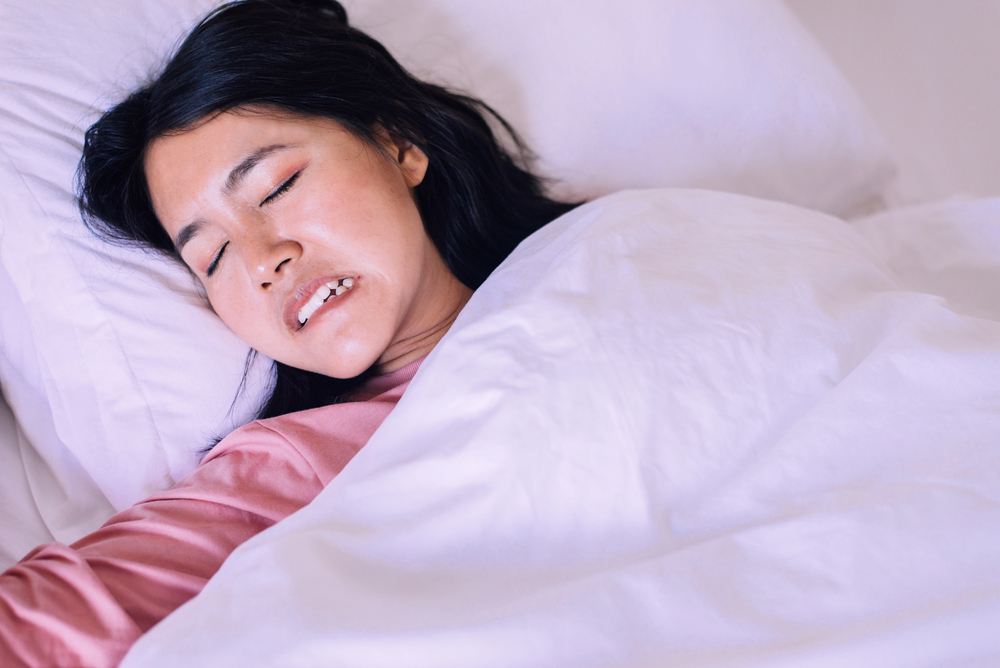
Many patients are surprised when our Sac dentist asks questions about sleep quality during a dental visit. Teeth grinding, jaw pain, and worn enamel often point to issues that happen at night. Two conditions that frequently appear together are sleep apnea and teeth grinding, also called sleep bruxism.
Understanding how these conditions overlap helps you protect both your oral health and overall wellness. So, if you think sleep apnea and bruxism might be damaging your smile, contact Timothy E. Mickiewicz, D.D.S., at (916) 469-9178 for an appointment in Sacramento, CA, today!
Understanding Obstructive Sleep Apnea
Obstructive sleep apnea is a breathing disorder that occurs during sleep. It happens when the airway slackens or becomes blocked during sleep.
Because of this blockage, breathing pauses may happen dozens of times each hour. Each pause briefly wakes the brain to restart airflow. These repeated interruptions prevent deep, restorative sleep.
Your Sac dentist may suspect sleep apnea when patients report loud snoring, morning headaches, or chronic fatigue. Sleep apnea also increases the risk of cardiovascular disease, metabolic disorders, and impaired concentration. These systemic effects make early recognition important.
What Is Sleep Bruxism?
Sleep bruxism is the involuntary grinding or gritting of teeth during sleep. It often occurs during light sleep or moments of partial awakening.
Many patients remain unaware of the behavior until damage appears. Your Sac dentist may observe flattened biting surfaces, cracked enamel, or gum recession linked to grinding.
Jaw muscle tenderness and facial soreness are also common symptoms. Over time, bruxism can shorten teeth and increase sensitivity. It may also strain the temporomandibular joints, leading to discomfort or clicking sounds.
Why These Conditions Often Appear Together
Researchers have noticed a strong association between sleep apnea and sleep bruxism. Studies using overnight sleep monitoring show that many grinding episodes occur immediately after breathing interruptions. These episodes often coincide with brief arousals in brain activity.
One theory suggests that when breathing stops, the nervous system activates jaw muscles as part of a protective reflex. This response may help reopen the airway. Because of this connection, your Sac dentist often considers airway health when treating chronic grinding.
The evidence is clear: treating sleep apnea reduces grinding intensity in many patients. This supports the idea that bruxism may act as a secondary response to airway obstruction. Subsequently, these findings guide how your Sac dentist approaches diagnosis and treatment planning.
The Role of the Nervous System
Sleep apnea disrupts the balance between the sympathetic and parasympathetic nervous systems. Each breathing pause triggers a stress response. Heart rate increases, muscles tense, and the brain shifts to lighter sleep stages.
During these moments, jaw muscles may contract forcefully. Your Sac dentist recognizes that bruxism is not simply a habit. It is often part of a complex neurological response to interrupted breathing and oxygen changes.
How Teeth Grinding Affects Long-Term Oral Health
Chronic grinding places excessive force on teeth and restorations. Over time, enamel thins and fractures become more likely. Your Sac dentist may see cracked fillings, broken crowns, or chipped teeth linked to untreated bruxism.
Gum recession can also occur due to repeated pressure. As roots become exposed, sensitivity increases. These changes may happen gradually, making regular dental exams essential for early detection.
Shared Symptoms Patients Should Not Ignore
Sleep apnea and bruxism share several warning signs. Identifying patterns helps patients seek timely care. Common overlapping symptoms include:
- Morning jaw stiffness or facial pain
- Headaches upon waking
- Loud or chronic snoring
- Excessive daytime sleepiness
- Flattened or worn tooth surfaces
When these symptoms appear together, your Sac dentist may recommend further evaluation beyond standard dental care.
Treatment Options for Teeth Grinding
Managing bruxism requires protecting teeth and addressing underlying causes. Your Sac dentist may recommend a custom night guard. These appliances cushion biting forces and reduce enamel damage.
However, guards alone do not treat sleep apnea. If apnea drives the grinding, additional intervention becomes necessary. Treating airway obstruction often reduces the frequency and intensity of grinding episodes.
How Sleep Apnea Treatment Can Help Bruxism
Research shows that effective sleep apnea therapy can significantly reduce bruxism activity. Continuous positive airway pressure, known as CPAP, keeps the airway open throughout the night. When breathing stabilizes, arousal-related muscle activity often decreases.
Some patients use oral appliance therapy prescribed by our Sac dentist, who is expertly trained in dental sleep medicine. These devices reposition the lower jaw to maintain an open airway. For select patients, this approach improves both breathing and grinding patterns.
Lifestyle Factors That Influence Both Conditions
Several lifestyle factors increase the risk of sleep apnea and bruxism. These include high stress levels, alcohol use before bedtime, and poor sleep hygiene. Your Sac dentist may discuss these contributors during consultations.
Weight management, regular exercise, and consistent sleep schedules support airway health. Reducing caffeine and alcohol intake before sleep also lowers muscle hyperactivity. Small changes can yield meaningful improvements over time.
When to Schedule an Evaluation with a Sac Dentist
Patients should seek evaluation with Dr. Mickiewicz if they notice persistent jaw pain, tooth wear, or disrupted sleep. Your Sac dentist can perform a thorough exam and discuss risk factors. Early intervention prevents complications and improves quality of life.
However, it’s important to note that sleep studies remain the gold standard for diagnosing apnea. Dental findings often serve as the first clue that prompts testing.
What Patients Gain From Early Detection
Identifying the link between sleep apnea and teeth grinding allows for targeted care. Patients protect their teeth, improve sleep quality, and reduce systemic health risks. Your Sac dentist plays a critical role in recognizing early warning signs.
Better sleep also supports mood, immune function, and cognitive performance. Addressing both conditions together delivers benefits beyond oral health.
Treat Sleep Apnea and Teeth Grinding with a Top-rated Sac Dentist Today!
Sleep apnea and teeth grinding share a meaningful connection supported by growing scientific evidence. Grinding episodes often follow breathing interruptions during sleep. This relationship explains why treating airway issues frequently improves bruxism symptoms.
If you experience worn teeth, jaw discomfort, or poor sleep, click here to consult your Sac dentist for guidance. Want to talk to our team directly? Call Timothy E. Mickiewicz, D.D.S., at (916) 469-9178 for a comprehensive evaluation and collaborative care in Sacramento, CA, today.